
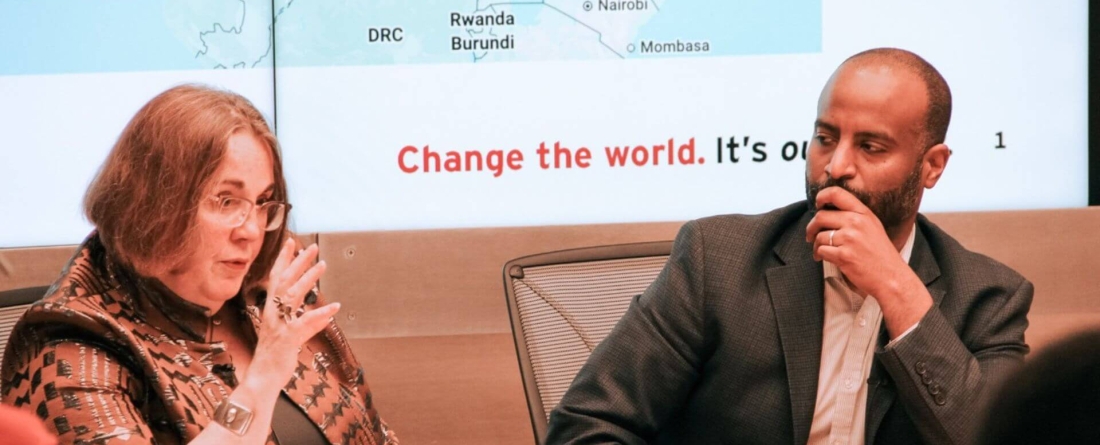
The Center for International and Security Studies at Maryland (CISSM) conducts research, informs policy debates, and helps current and future leaders find creative solutions to complex global challenges.
CISSM Impact
CISSM's many research projects and outreach activities impact policy development and the public good by:
Analyzing
CISSM faculty and researchers conduct original, in-depth, interdisciplinary research on global policy challenges. CISSM research focuses on fundamental questions at the root of these challenges and that extend over a long time-horizon.
Informing
CISSM faculty and researchers circulate their research findings in scholarly and policy publications, at events and workshops, at academic and trade conferences, and through briefings with policy makers, NGOs, and the private sector.
Innovating
CISSM works with academic, governmental, and nongovernmental partners to develop innovative initiatives to engage the broad public in critical domestic and international policy debates.
Four cross-cutting themes connect faculty, researchers and students working on CISSM’s research agenda.
- Human Security and Civil Conflict — Addressing the root causes of conflict, fragility and inequity—from malnutrition and public health crises to climate-related risks—to strengthen human resilience and well-being.
- Multi-Stakeholder Governance — Advancing effective collaboration among governments, international organizations and civil society to manage shared risks and uphold norms that support peace and stability.
- Reducing Risks for Dual-Use Technology — Exploring the benefits and risks of dual-use technologies—from nuclear and cyber systems to artificial intelligence—to promote responsible innovation and reduce the potential for harm.
- Managing Competition and Cooperation — Examining how rival powers can balance competition with cooperation in areas of mutual interest, including arms control, crisis management and global public goods.
CISSM is exploring these themes in current research program areas focused on:
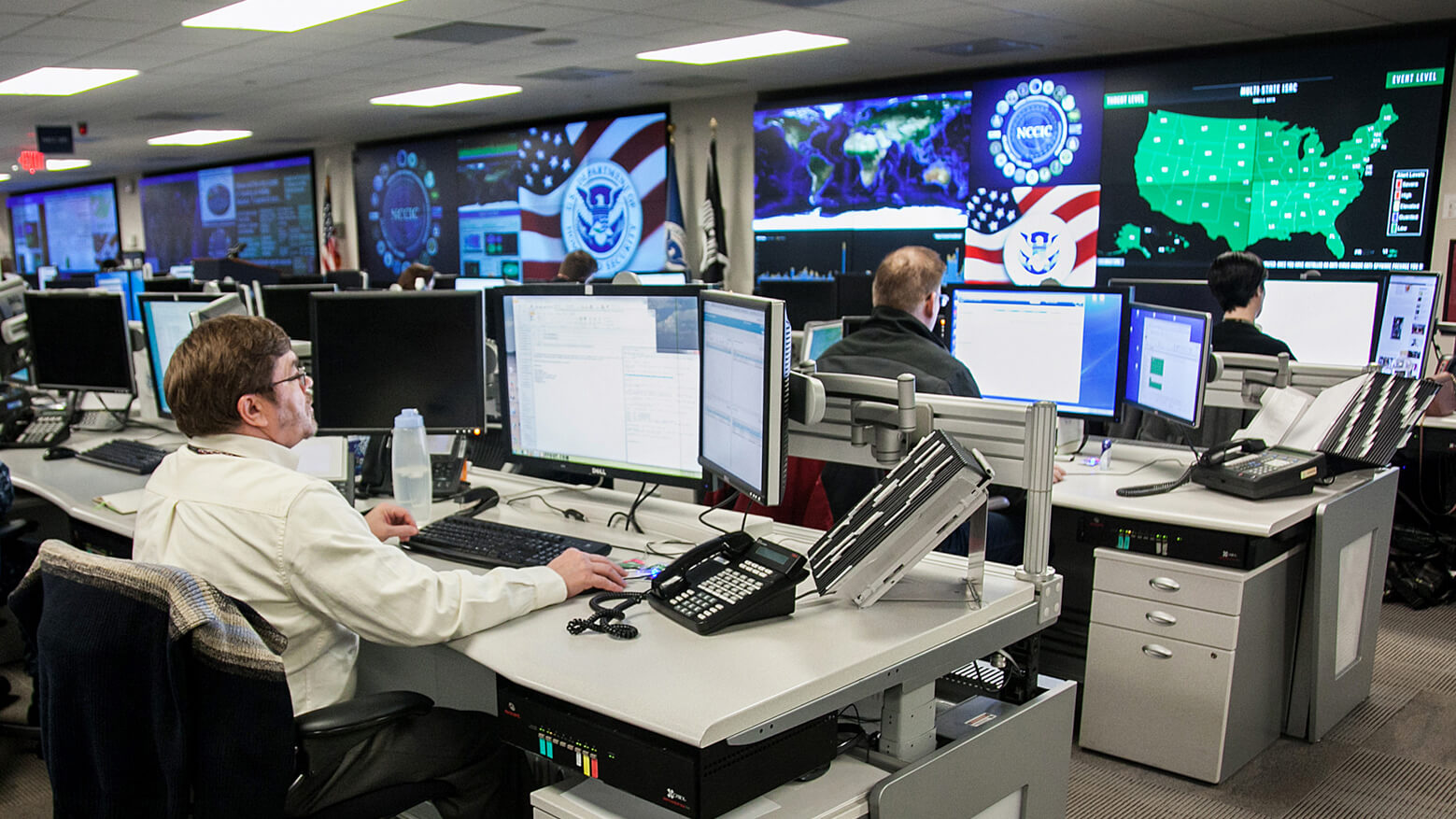
Minimizing the most serious forms of cyber attack, espionage, and crime without hindering beneficial uses of information technology requires skillful multi-stakeholder governance.
Learn More about A Holistic Approach to Cybersecurity Risk Management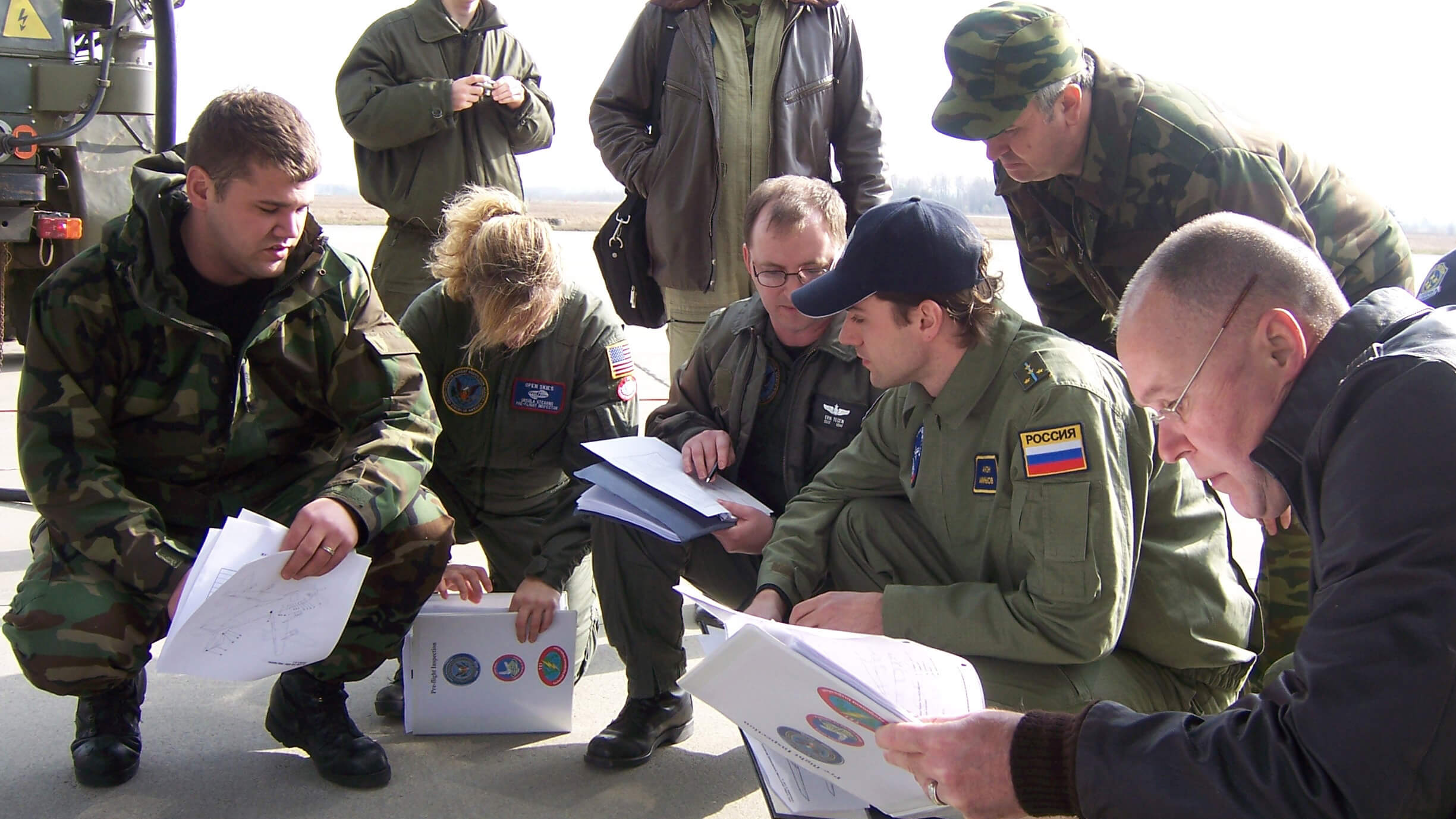
How can the United States and Russia build a more constructive, cooperative international security relationship?
Learn More about US-Russian Security Relations
Achieving nuclear security requires fundamental changes in international relationships, the reduction of risks associated with nuclear weapons programs, and new systems to manage and secure civilian nuclear materials and facilities.
Learn More about Nuclear Past, Present and Future
Improving U.S. and European security policy making toward Iran requires increasing public and official understanding of the concerns and perspectives of Iran’s leaders and citizens.
Learn More about Iranian Public Opinion and Security Policy
Even in non-democracies, public attitudes matter. So what does the public think?
Learn More about Public Opinion on International Policies
How do multi-stakeholder governance initiatives form? What drives or impedes cross-sector cooperation? And when are multi-stakeholder approaches most effective?
Learn More about Exploring Multi-Stakeholder Governance
As violent conflict shifts markedly from the inter-state arena to civil wars, the need for sustained global engagement to foresee, mediate, and prevent civil conflict grows.
Learn More about Civil Violence
Technological and geopolitical developments underscore the need to balance a desire to preserve complete freedom of action and widely accepted governing rules as the basis for space operations.
Learn More about Re-evaluating Space Security
In today’s security environment, civil conflicts, mass migration, climate change, epidemics, and other emergent phenomena create multiple, often overlapping, instabilities that exacerbate human insecurity.
Learn More about Human Security
The Complexity Solutions Lab advances research and practical policy responses to challenges that defy simple, linear solutions.
Learn More about Complexity Solutions Lab